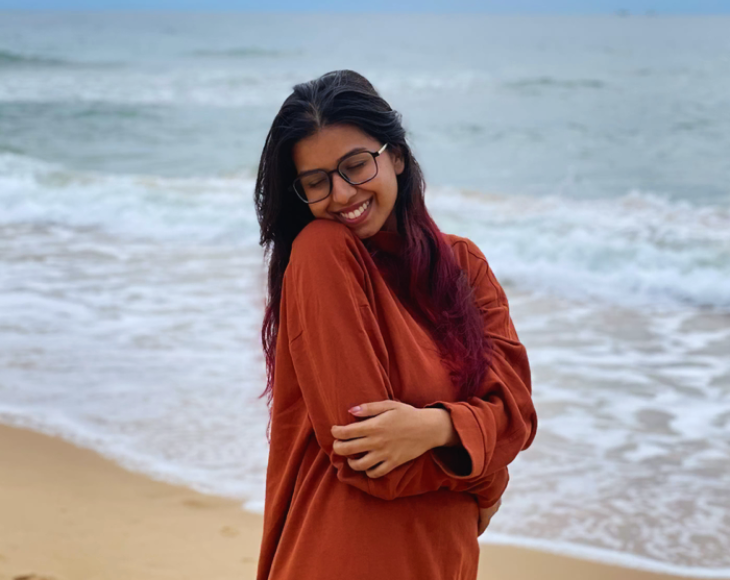
Why Travel Feels Different After Burnout
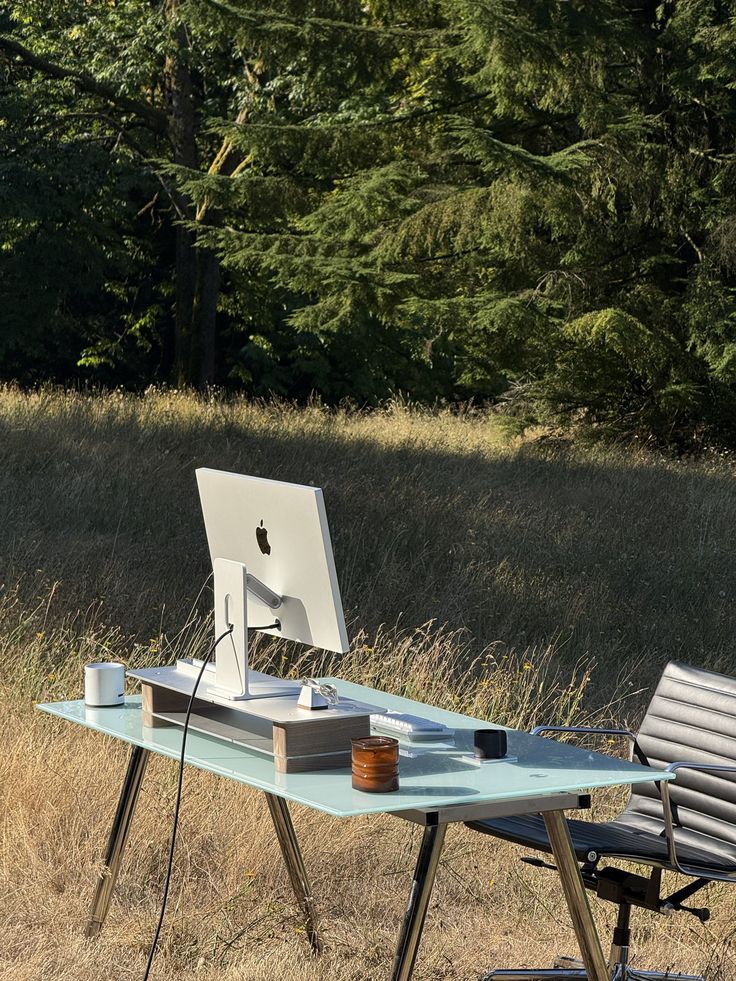
Ever noticed how some holidays don't hit the same anymore? You spend weeks planning one. You finally get there. And by Day 2, you're somehow... still tired.
That's because these days, even taking a break feels like work. Research the flights. Compare 14 hotels. Read 73 restaurant reviews. Figure out which sunset is "worth it." Book everything before someone on Instagram tells you it's overrated.
Congratulations. You've successfully turned your holiday into another project.
We call it being busy. We call it hustle. We call it adulthood. But maybe it's just burnout, and guys, holidays shouldn't be stressful — they need to have the ability to surprise you!
Burnout Doesn't Always Look Like a Breakdown
Most burnout isn't dramatic. It's forgetting what it feels like to be excited. It's answering emails while making coffee. Listening to podcasts at 2x speed. Feeling guilty for taking a nap. Even your "rest" starts feeling productive.
Somewhere along the way, we forgot that doing nothing is allowed.
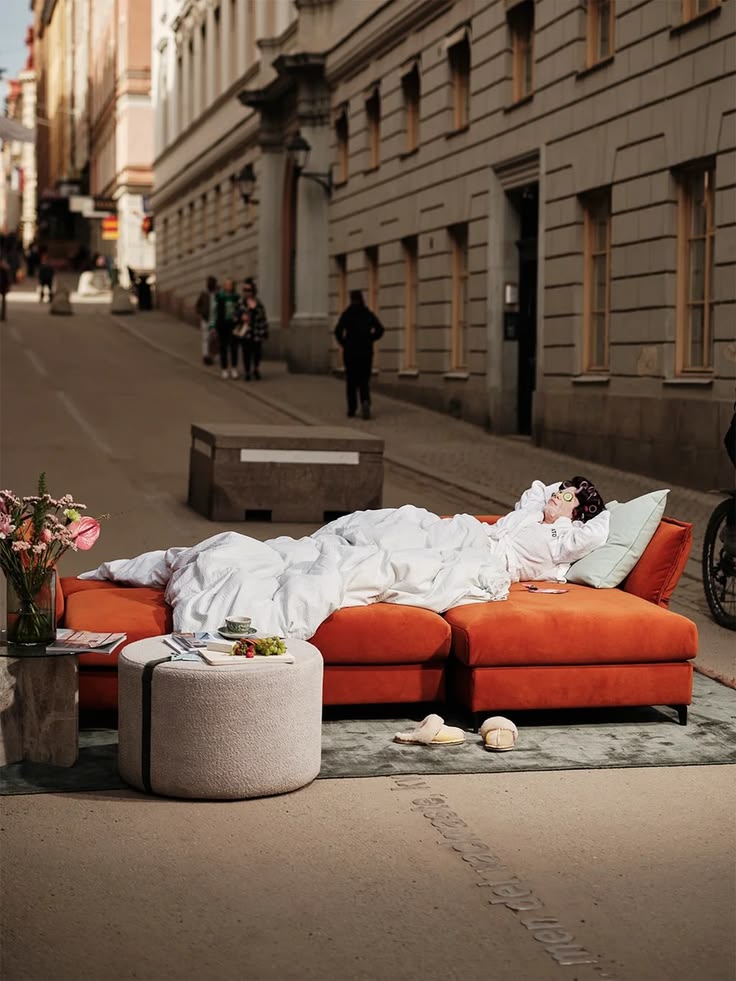
Hello! Your Brain Is Exhausted From Deciding
Think about how many decisions you make before lunch. What to wear. What to reply. What to eat. Whether to go to the gym. Which notification deserves your attention.
Then you book a holiday... and make another hundred decisions.
Sometimes what we're craving isn't another destination. It's fewer decisions.
Why Slow Travel Feels Different
Slow travel isn't about seeing less. It's about feeling more. Long breakfasts that turn into conversations. An afternoon with absolutely no plans. Walking without checking Google Maps every five minutes.
Saying yes because something feels interesting to you, not because it's ranked #1 on TripAdvisor. It's surprisingly difficult to feel burnt out when your biggest decision is whether to order another coffee.
The Real Luxury
Luxury isn't always a five-star hotel. Sometimes it's waking up without an alarm. Closing your laptop before sunset. Not checking Slack. Not wondering what comes next because someone has already taken care of it. The best trips don't just change your location. They change your pace.
What If Your Next Trip Required Almost No Decisions?
We started thinking about this after realizing something simple: most people don't need help booking a holiday. They need help switching off.
That's why we've been building what we call Decision Detox Trips.
Before you travel, we spend time understanding you, how you like to travel, what kind of pace you enjoy, whether you're traveling solo, with your partner, or with friends, and what you're hoping to get out of the trip.
Then we take over.
We choose the route, recommend the stays, plan the flow of your days, reserve the restaurants, and even sprinkle in a few surprise experiences you'll only find out about 24 hours before they happen.
The goal isn't to keep you busy. It's to free you from constantly having to decide what's next. Some mornings you'll wake up with nowhere you have to be. Some afternoons will be left intentionally empty. Some evenings will surprise you.
All you need to do is wander, explore, sleep in, say yes to something new, and let yourself experience a place without trying to optimise every moment of it.
It sounds unfamiliar because we've become so used to planning every minute of our lives. But that's exactly why it works. Maybe your next trip doesn't need a bigger itinerary. Maybe it just needs fewer decisions.
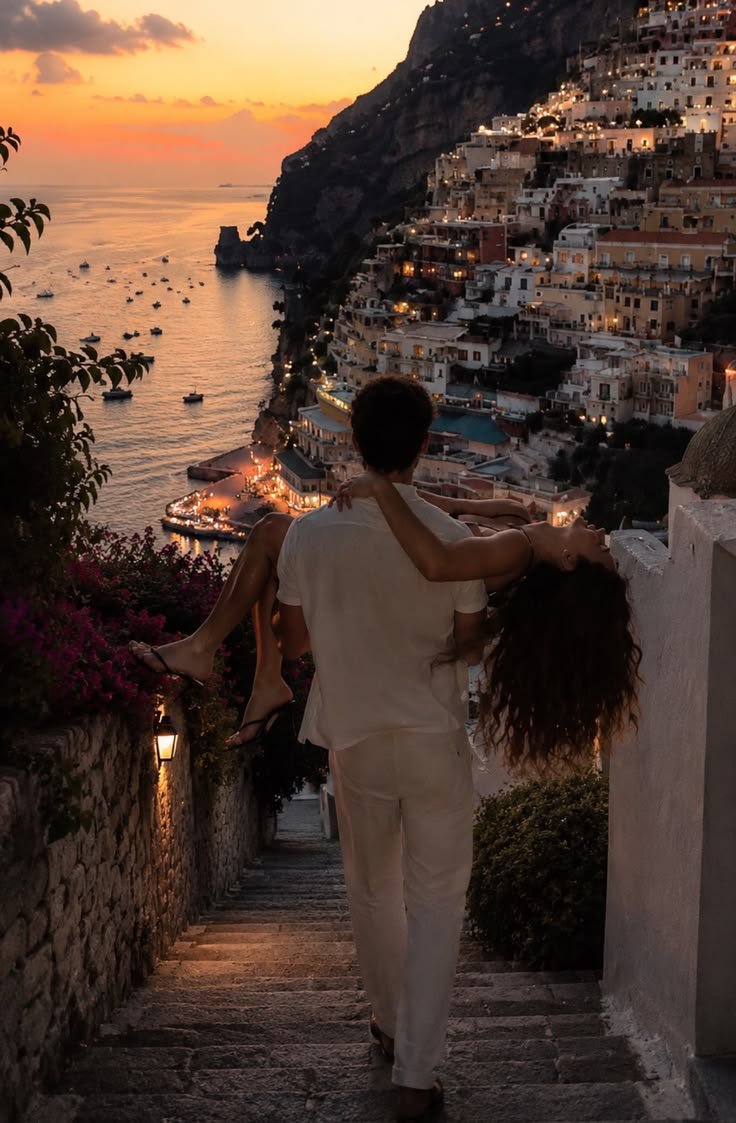
FAQs
They're thoughtfully curated trips designed to reduce decision fatigue, slow your pace, and create space for genuine rest, not just another packed holiday.
Travel isn't a cure, but slowing down, spending time in nature, reducing daily decisions, and stepping away from routine can help you mentally and emotionally reset.
Slow travel focuses on quality over quantity. Fewer places, deeper experiences, meaningful conversations, and enough free time to actually enjoy where you are.
Not at all. Even a long weekend can feel restorative when you remove the pressure to constantly be doing something.